
First-Time Buyers’ Info: Overcoming Debt-to-Income Hurdles in San Angelo
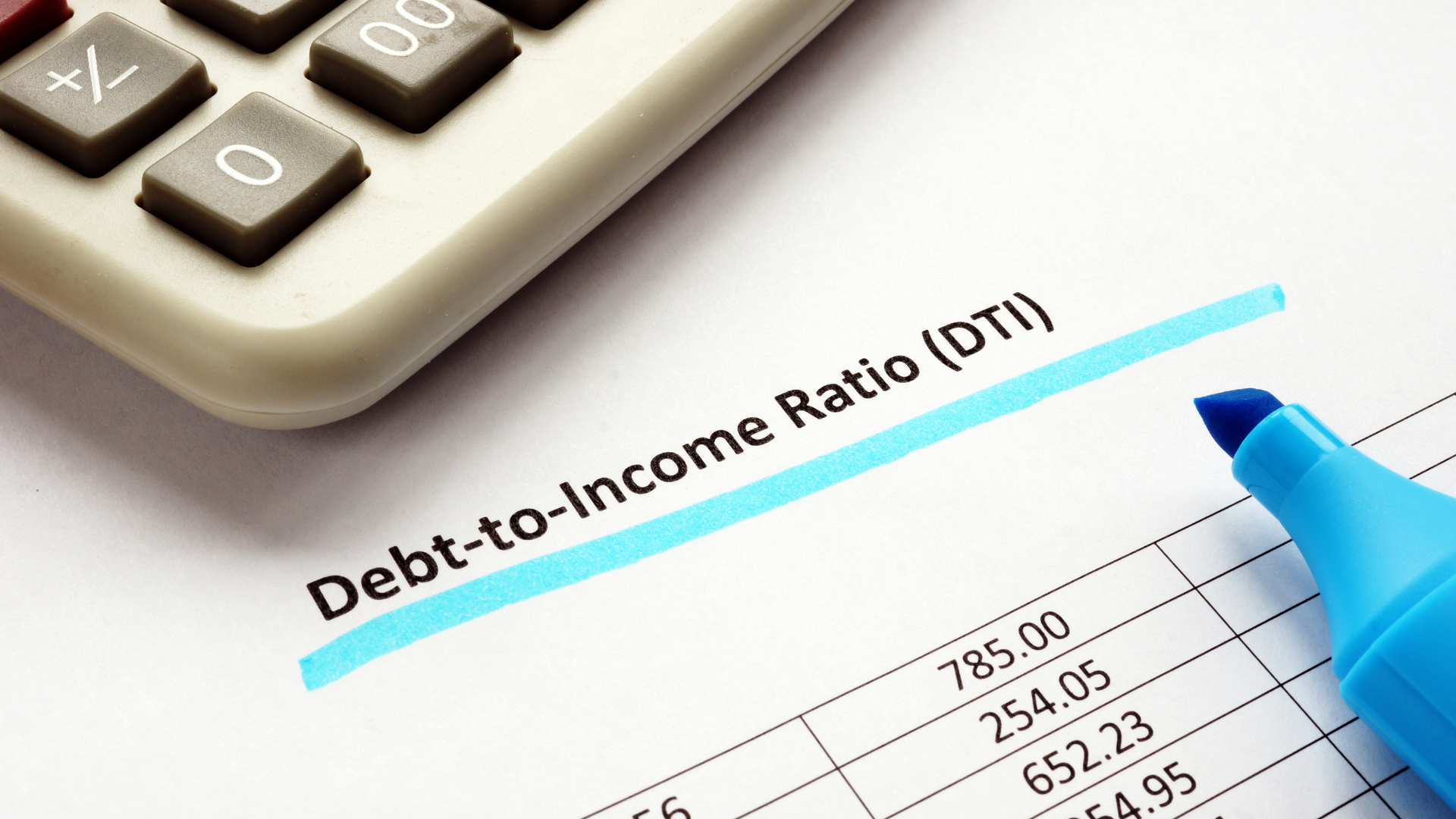
Navigating the financial landscape of buying your first home can feel overwhelming, but understanding what lenders look for is the first step toward securing the keys to your new property. For many first-time buyers in San Angelo, the biggest hurdle isn't just saving for a down payment—it's mastering the debt-to-income (DTI) ratio. Here is your ultimate financing guide to overcoming DTI hurdles and mapping out a successful path to homeownership.
What is a DTI Ratio and Why Do Lenders Care?
Your debt-to-income (DTI) ratio measures how much of your monthly income goes toward paying off debt. Lenders calculate this by adding up your future mortgage payment (which includes principal, interest, property taxes, and homeowners insurance, known as PITI), alongside your auto loans, student loans, credit card minimums, and any other monthly obligations. They then divide that total monthly debt by your gross monthly income.
Lenders use your DTI to assess your borrowing risk and ensure you aren't stretching your budget too thin. Most lenders want to see a DTI below 43%, though some may allow a higher ratio if you have strong credit or large cash reserves. However, if your loan requires manual underwriting for an FHA, VA, or USDA program, the maximum DTI is strictly capped at 45%.
Strategies to Lower Your DTI and Improve Buying Power
Every dollar you owe on auto loans, student debt, and credit cards directly impacts your mortgage approval. To optimize your DTI before applying:
-
Pay Down Revolving Debt: Focus on paying off credit card balances. Because revolving debt often requires higher minimum monthly payments relative to the balance, eliminating these debts can quickly reduce your monthly obligations and improve your DTI.
-
Manage Installment Loans: While student and auto loans are factored into your DTI, paying off an installment loan entirely removes that fixed monthly payment from your DTI calculation.
-
Increase Income: Since DTI is a ratio of debt to income, increasing your gross monthly income or paying off your debts directly improves your buying power, allowing you to qualify for a larger mortgage.
You Don't Need a 20% Down Payment
Many first-time buyers mistakenly believe they need a massive down payment. There are multiple loan programs requiring significantly less than 20% down:
-
FHA Loans: Accept as little as 3.5% down and are designed for buyers with smaller savings.
-
VA and USDA Loans: Offer zero-down payment options for eligible military buyers and rural properties.
-
Conventional Loans: Typically ask for anywhere from 5% to 20% down.
Texas Down Payment Assistance and Grants
If cash to close is your main obstacle, the Texas Department of Housing and Community Affairs (TDHCA) offers powerful solutions. The "My First Texas Home" program provides first-time buyers with down payment and closing cost assistance of up to 5% of the mortgage loan amount. This assistance comes as either a 30-year deferred repayable second lien or a 3-year deferred forgivable second lien with 0% interest.
Additionally, you may qualify for a Texas Mortgage Credit Certificate (MCC). An MCC provides a non-refundable federal income tax credit based on a portion of the annual interest you pay on your mortgage. Because this tax credit reduces your federal income taxes and increases your net earnings, it can actually boost your qualifying income for the mortgage.
Credit Scores and Pre-Closing Pitfalls to Avoid
To access TDHCA assistance programs, you must have a minimum credit score of 620. Managing your credit utilization (the amount of credit you use compared to your limits) is essential for boosting your score. Standard FHA loans can sometimes accommodate scores as low as 580, but this requires an upfront premium and lifetime mortgage insurance.
A major financial mistake to avoid is taking on new debt or changing jobs before closing. Even if you are pre-approved, your final loan contingency (which typically lasts 30 to 45 days) gives lenders time to conduct final underwriting. If a new auto loan or maxed-out credit card pushes your DTI over the limit, your mortgage could fall through.
Realistic Starter-Home Budgets in San Angelo
While the median sale price across San Angelo was $259,000 in early 2026, there are excellent, budget-friendly neighborhoods perfectly suited for first-time buyers. Realistic starter-home budgets often sit between $120,000 and $200,000 depending on the area. Consider these local median listing prices:
-
Ft. Concho East: $120,000
-
Lake View: $184,999
-
Central San Angelo: $197,000
-
ZIP Code 76903: $194,900
Create Your Mortgage Readiness Plan
Before you start touring homes, connect with a local lender to create a mortgage readiness plan. Getting pre-approved will establish your baseline DTI, outline the exact loan programs you qualify for, and help you strategize the best way to utilize Texas down payment assistance to secure your first San Angelo home.