
The ROI of Energy-Efficient Upgrades: A West Texas Guide for Buyers and Sellers
Surviving a blazing summer in San Angelo is no small feat. With West Texas temperatures regularly climbing, intense UV rays, and seasonal high winds that kick up dust, keeping a home cool can be both difficult and expensive.
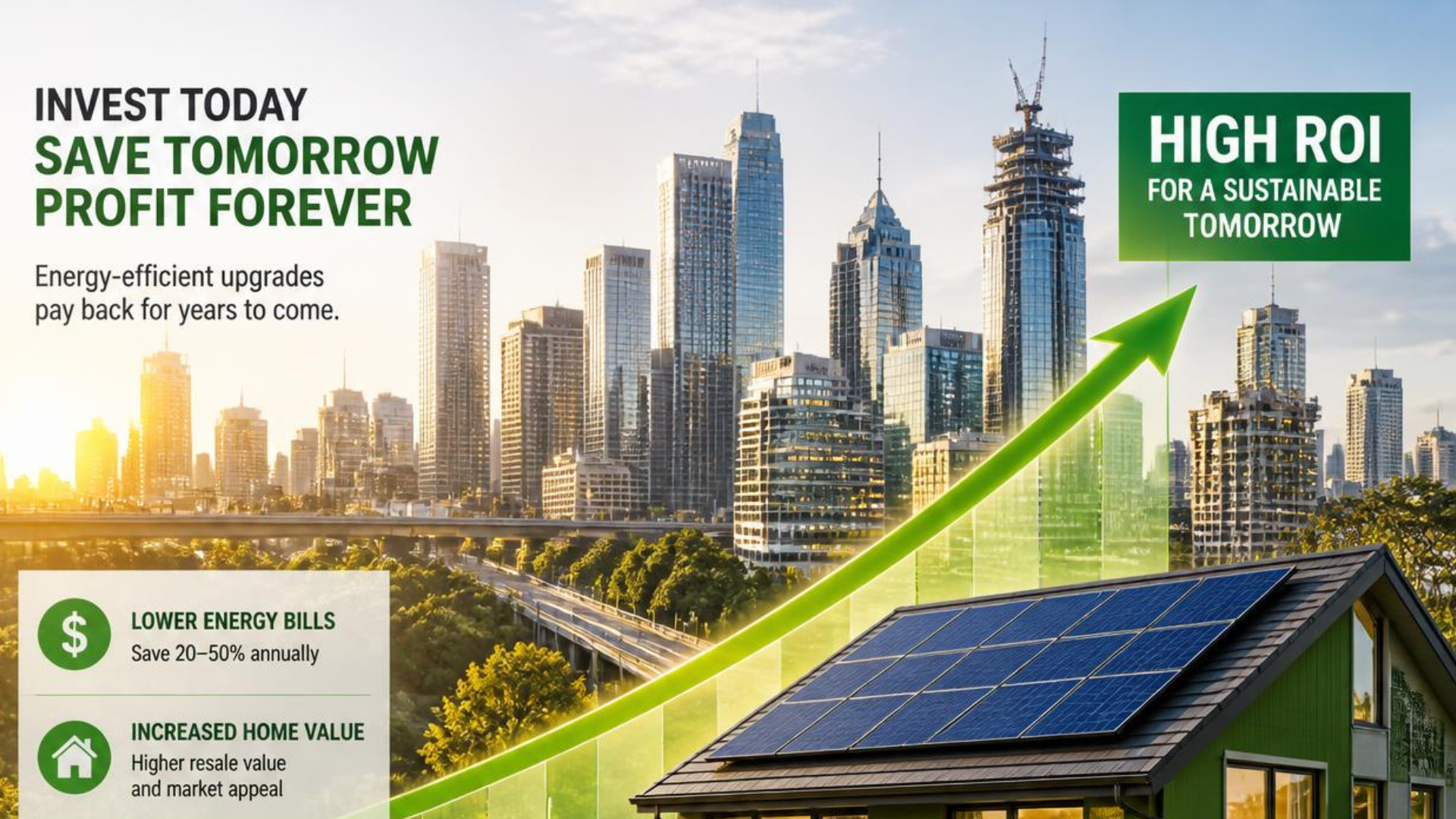
Because of these climate realities, energy efficiency is no longer just a nice luxury, it is a primary standard for modern homebuyers. For homeowners looking to sell, or buyers looking to purchase, investing in the right energy-efficient upgrades is one of the most effective ways to lower the "True Cost of Homeownership" and significantly boost a property's long-term resale value.
Here is a simple, practical guide to understanding the return on investment (ROI) of "green" home upgrades in our local climate.
1. The West Texas Climate Factor
San Angelo's weather is notoriously demanding on residential properties. Scorching summer heat waves and high UV exposure force air conditioning systems to run almost continuously, while high winds can drive dust and hot air through any unsealed gaps in a home’s exterior.
These climate realities translate directly into high monthly utility bills, making energy efficiency a top priority on buyer checklists. Properties that are already optimized to resist the heat stand out in the local market, commanding higher interest and faster sales.
2. HVAC Upgrades and SEER Ratings
Your heating, ventilation, and air conditioning (HVAC) system is the heart of your home's energy footprint. While standard home inspections verify that an existing cooling unit is functional, an older system past its typical 10-to-15-year lifespan is a major warning sign for buyers.
- The Upgrade ROI: Replacing an outdated AC unit with a modern, high-efficiency system delivers a double return. It immediately slashes monthly cooling costs and reassures buyers they won't face a costly system replacement after moving in.
- Understanding SEER: SEER (Seasonal Energy Efficiency Ratio) measures how efficiently your AC system cools your home. Think of it like gas mileage for your house, the higher the SEER rating, the less electricity the unit uses to keep you cool.
- Marketing Tip for Sellers: When listing your home, do not just mention that the AC works. Highlight the installation date, SEER rating, and any remaining manufacturer warranties in your marketing materials to prove immediate value.
3. Low-E Window Replacement
Windows represent one of the most significant thermal weak points in a West Texas home. Standard single-pane glass allows solar heat to transfer directly into living spaces, forcing your HVAC system to work twice as hard.
- Insulation & Protection: Upgrading to double-pane, Low-E (low-emissivity) vinyl windows acts as a powerful barrier. The microscopic metallic coating on Low-E glass reflects infrared heat and UV rays while letting natural light through.
- Dust Barrier: High-quality vinyl windows feature superior weatherstripping that seals out seasonal dust storms and wind-driven drafts, keeping indoor air cleaner and protecting your interior finishes from sun-induced fading.
4. Solar Panel Realities at Resale
Solar energy is highly popular in sunny West Texas, but the financial impact of solar panels on a real estate transaction depends entirely on how the system is financed.
- Owned Systems (High ROI): If you own your solar panels outright, they add tangible equity to your home. Buyers appreciate a home that generates its own electricity with zero remaining liabilities, making your property highly competitive.
- Leased Systems (High Risk): Leased solar systems can create major closing hurdles. To complete the sale, the buyer must qualify for and assume the solar lease, or the seller must pay off the remaining balance at closing. Because assuming a lease introduces extra credit checks and long-term monthly obligations, it can deter buyers and delay your closing.
5. Low-Cost, High-Impact Weatherization
You do not need a massive budget to make a significant difference in your home's efficiency. Several quick weekend projects offer an exceptional return on investment:
- Attic Insulation: Blowing R-38 fiberglass insulation into your attic is highly cost-effective. It stops attic heat from radiating down into your living spaces.
- Weatherstripping: Replacing dry-rotted or cracked weatherstripping around exterior doors and windows is a simple, inexpensive fix that seals out hot drafts and West Texas dust.
- Solar Screens: Installing solar window screens on west-facing windows blocks up to 70% of solar heat before it ever hits the glass, instantly lowering the load on your air conditioner.
6. Marketing the "Green" Home
If you have invested in energy-efficient upgrades, make sure potential buyers see the financial proof.
- Compile Utility Bills: Gather the past 12 to 24 months of utility statements to showcase your actual monthly savings. Showing a buyer a lower average utility bill compared to neighboring properties is a highly persuasive selling point.
- Highlight the Upgrades: Work with your listing agent to create a dedicated "Energy Efficiency Highlight Sheet" for your open houses. Explicitly list the age of the HVAC, window specifications, insulation levels, and smart thermostat features to prove a lower overall cost of homeownership.